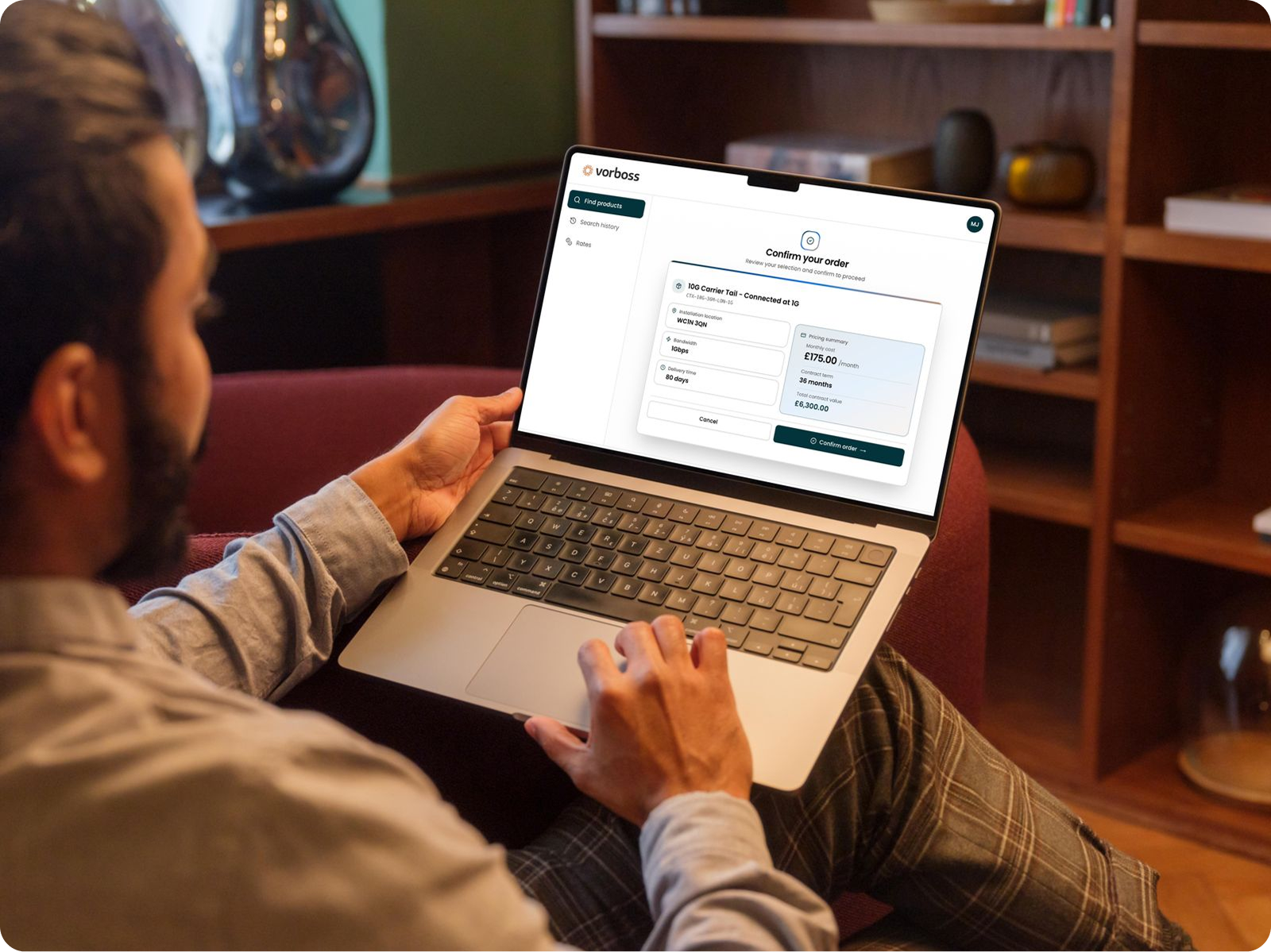
Designing and building a production-grade AI platform for structural engineers


Brief
Structural engineers work across a stack of disconnected software every day: analysis models, calculation tools, spreadsheets, drawings, emails and messages. When a design request arrives, the engineer has to work out what needs to change, update every affected file, and maintain an audit trail of everything they did. This can take weeks to coordinate. The Building Safety Act 2022 has made this more time-consuming and high-stakes – it mandates a level of documentation that firms have to produce each time a design changes and brings extra scrutiny.
Bite was founded to solve this. It uses AI and automation to give engineers their time back while staying confidently compliant. The founding team built a v0.1 platform: an AI workspace that could connect to a firm's engineering tools, understand the project and design, and answer questions across a project archive. It covered a small part of the workflow, but held enough promise that two structural engineering firms were already using it.
Loomery was brought in to help Bite take the next step: expand the product to cover the end-to-end change workflow, while addressing critical user feedback on reliability and scalability.


Project summary
We formed a lean cross-functional team working alongside the Bite team: 2 Loomery product engineers, with fractional support from a Loomery product manager, product designer and Head of Engineering. We led a three-week Discovery to map out the target architecture, conduct research with existing and prospective users, and set priorities before moving quickly into developing v1.0 of the product. Our product designer built working prototypes in code to test concepts early with users, while product engineers continuously shipped new features to production in parallel. Our design prototypes were built in the same stack as our production code (React, TypeScript) and our design system lived in code too; this made the transition from prototype to production feature faster and simpler. Within 13 weeks, we’d released numerous versions of the product to Bite’s users, flowing through Pre-Alpha, Alpha and Beta versions to reach v1.0. The reimagined product went beyond just answering questions - it proactively identified and fixed discrepancies across design files (with engineer approval).
Project in numbers
7
user feedback themes informed the new design
<20
Seconds from 90+ to process and understand files
~99%
files successfully processed (vs ~60%)
Getting into the problem
From the outset, Vorboss shared the commercial goals behind the product and exactly how this initiative connected to wider growth plans. That context shaped every engineering decision that followed.
Working directly with Vorboss’ CIO and Head of Solutions Engineering, we agreed the technology stack, deployment standards and integration patterns upfront. That meant everything we built would be easy for their in-house teams to own, extend and scale long after we stepped back. No throwaway prototypes.
No rewrites later. Just production-ready software from day one.
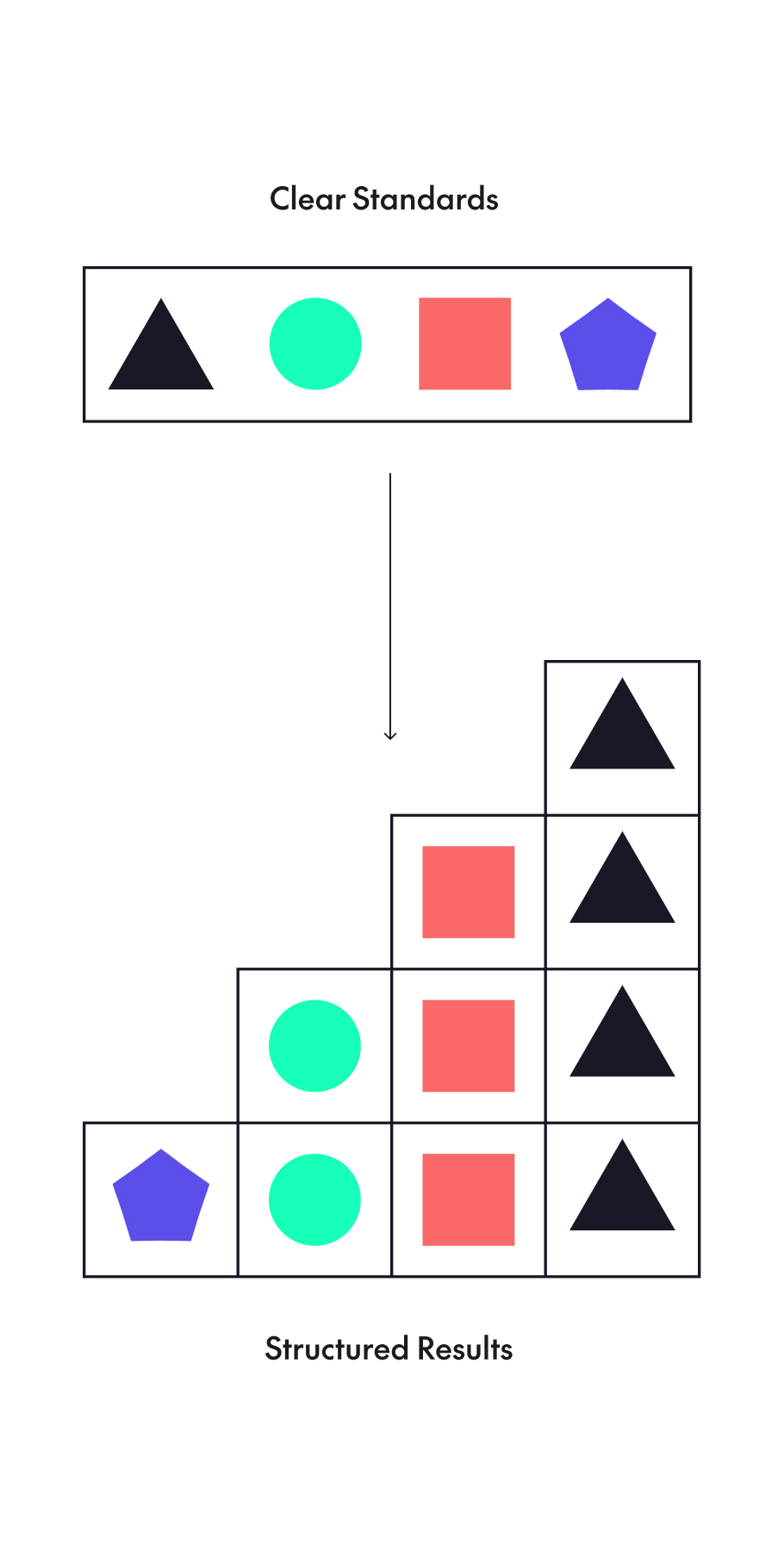
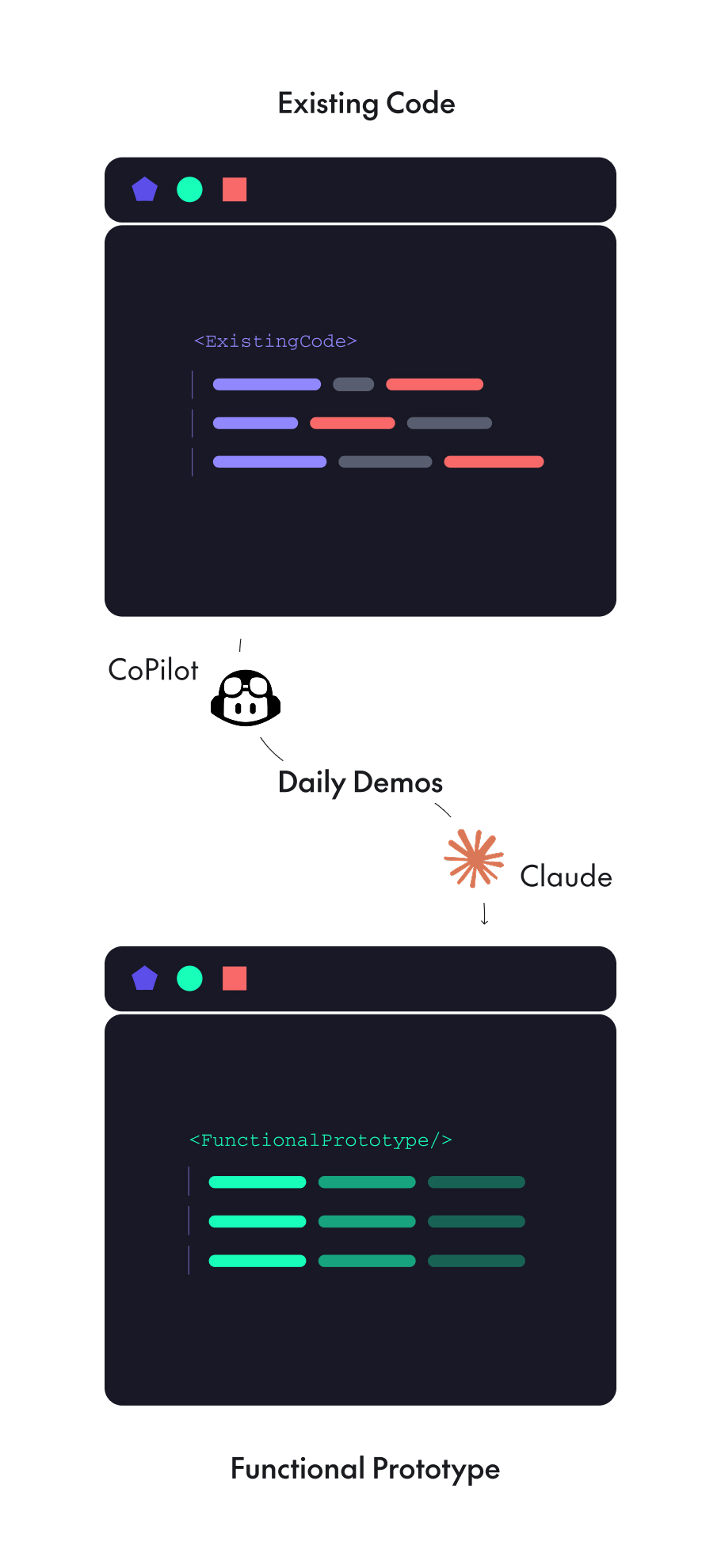
AI-accelerated development, with daily demos
We ran on a simple rhythm: daily syncs, frequent demos, and a lightweight Kanban flow. We used an asynchronous workflow via Slack, which empowered the team to move fast while keeping stakeholders closely connected to progress.
To accelerate delivery without trading off quality, we wove AI coding assistance directly into the workflow. It supported the team in two key ways:
Using GitHub Copilot and the latest Claude LLMs, our engineers combined the incremental use of targeted code-specific prompts with their expertise in development best practices (i.e. 'what good looks like') to support faster and more effective iteration over feedback loops with the Vorboss team.
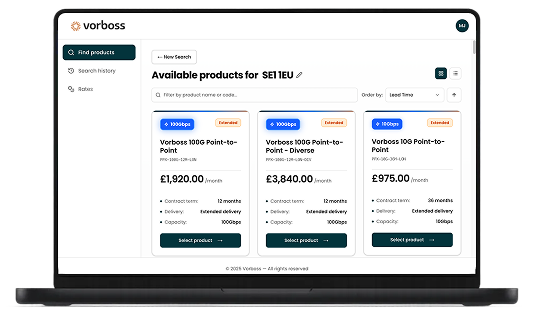
Within days, the portal was completely rebuilt with:
Seamless deployment into live infrastructure
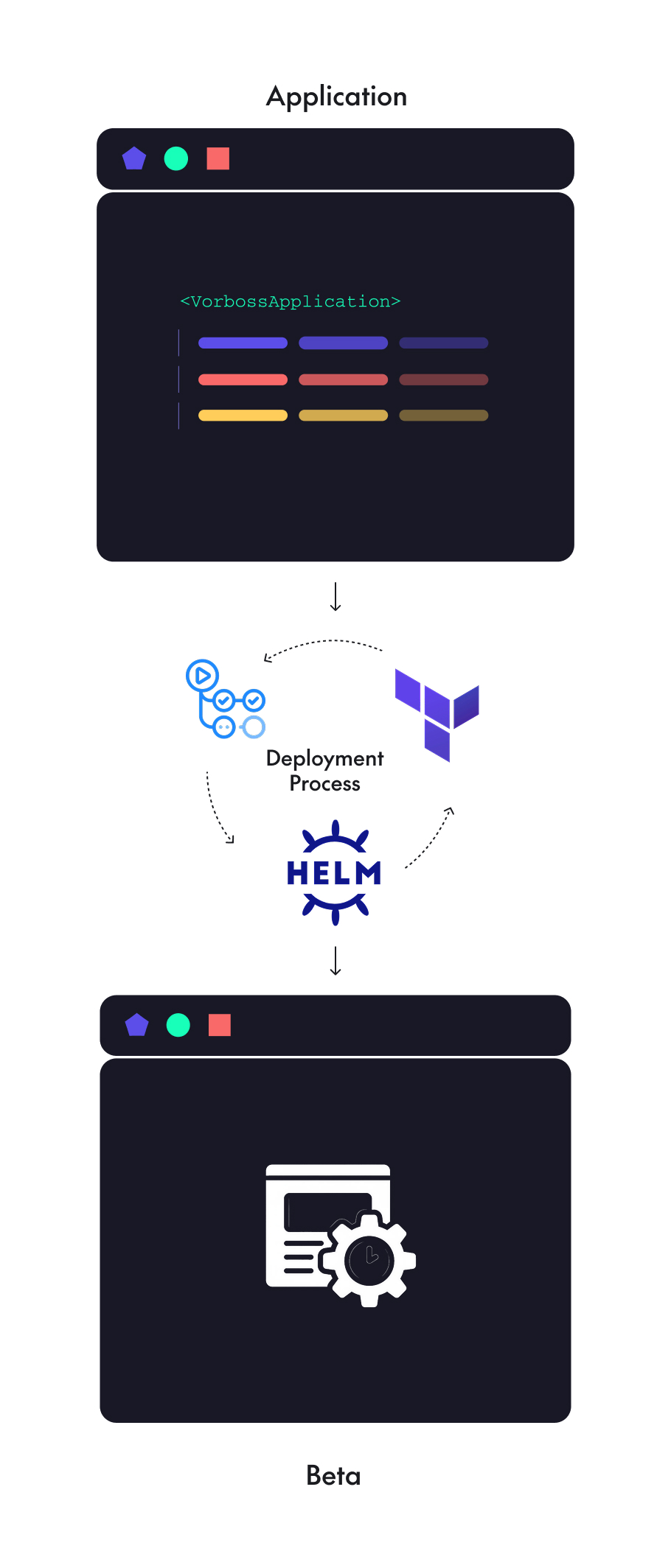
Speed didn’t come at the cost of operational rigour. The application seamlessly plugged into established deployment processes using terraform, helm and GitHub Actions. A new beta environment was spun up, enabling the application to be reviewed by stakeholders and end-users, before a full switchover takes place.
Conclusion
This project showed what’s possible when tight collaboration, clear goals and modern engineering come together. In a matter of weeks, Vorboss went from relying on a brittle, hard-to-use portal prototype, to having a performant, clear, mobile-ready product that actively supports their growth strategy - a product they are proud to present to customers.
By modernising a core commercial tool without destabilising underlying systems, we helped create real momentum, not just nicer UI. More importantly, it established a repeatable delivery pattern Vorboss can now apply across future initiatives.
The success of this short project created a strong foundation for ongoing collaboration between Loomery and Vorboss, with Loomery a trusted product and engineering partner that seamlessly extends the capacity of Vorboss’ internal team.
"From our very first conversation, Loomery showed a genuine commitment to adapt to our team’s customer-outcome-focused way of working… The result was a level of ROI that would be difficult to match with in-house resource or other agencies. I would work with the Loomery team again without hesitation."
— Aaron Rice - Chief Information Officer


